
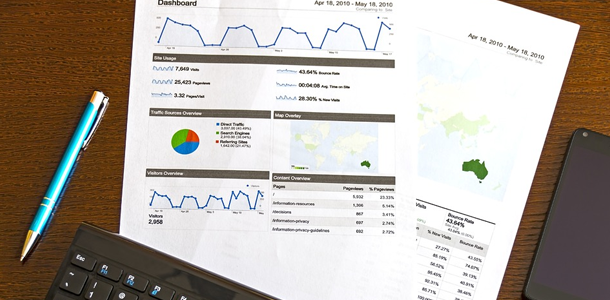
Organic Search Engine Optimisation (SEO) techniques are a combination of visible and invisible tweaks to viewers of your website. While the visible tweaks involve such practices as simple addition or alternations to keywords and phrases and phrases for better visibility and results in Web searches, the invisible ones may involve edits to web codes such as meta descriptions, which also improve site rankings in Web search returns when done effectively. Organic SEO is free, or unpaid optimisation.
Google AdWords is a paid platform for advertising made available by Google. With use of AdWords, your business profile can be shown beside the natural search results when Internet searchers enter keyword phrases in a Google search. The results (Pay Per Click, or PPC) are obtained when a visitor clicks onto one of your ads, and you then pay for each such click.
Differences Between Organic SEO and Google AdWords Use
The major differences between use of Organic SEO and Google AdWords include the following:
• Although Google AdWords can be turned on or off instantaneously, SEO usually takes much longer to cause any impact in Internet search results. For this reason, many startup online business and personal interest sites use both types of marketing techniques and related technologies to achieve immediate and prolonged positive results.
• With use of Google AdWords, your website and business is fairly sure to show up in Web search results. Especially since there are unlimited ways and means of placing searches for your business, products or services, you may even experience immediate results of some degree with AdWords. With use of organic SEO, there is no such likelihood or guarantee of attaining a ranking, but patience will bring good results with these SEO techniques as well.
• While Organic SEO may take decidedly longer to show good search results, its use can enable you to reach a number one ranking in Google for a variety of keyword search terms.
• With use of AdWords, you can take action immediately to incorporate new search terms relative to a news article, event or unexpected occurrence. With SEO usage, you can also alter the way your business is viewed by search engines.
• Some items on search results page returns can be accessed by paid ads only, such as certain real estate listings. For instance, an item may accessed only through Google AdWords Product Display Advertisements.
• Nearly 100 percent of the time, AdWords ads are viewed above organic listings, or before searchers must scroll down the page to view additional content. This can put the organic listings at somewhat of a disadvantage for initial viewing, but it does not interfere with their eventual and overall effectiveness for promoting your website.
Use of both Organic SEO techniques and Google AdWords can enhance your marketing efforts for your business and website. Although AdWords may give you a more immediate feeling of success by showing fast results in Web searches, SEO is a tried-and-true method of successful Internet marketing as well. With use of both methods, you are most likely to experience stronger and longer lasting success for your company website, with greater increases in your Web traffic, customer base and conversion rates.

Internet security for Web users has always been a focal point and major subject of concern for Google Chrome. New methods and modes of online security options are constantly being devised, studied and analysed for effectiveness by Google tech experts and company leaders. With the recent introduction of HTTPS encryption for top-level website security on July 24, 2018, with the release of Chrome 68, Web users can quickly identify which domains are secure and which ones are not.
Whenever you encounter a website URL with the word “Secure” displayed before the URL in the address line and a URL that starts with HTTPS, you can be assured that this is a safe website, with the latest encryption technology for Web security in place. Any domains that display the warning “Not Secure” before the URL and have a URL beginning with HTTP do not currently offer safe use for Web visitors, especially for entering personal data when purchasing products or joining membership listings.
HTTPS Websites are Better for SEO, Especially for Your Site Visitors
Websites displaying the prefix of HTTPS before their URLs on the site address line are better for good quality SEO in general, and especially for your website visitors for several reasons, such as the following:
• Safe Data Input. – With the advanced encryption technology used on HTTPS websites, you can enter valuable personal information in web page data fields without fear of having your data compromised by unauthorised site intruders. When ordering products or services on a “Secure” website, there is now no need to worry about loss of personal data to identity thieves or misuse of your credit card numbers, email address, phone number or mailing address by disreputable hackers or meddlers.
With the new HTTPS prefix, you can quickly determine at a glance whether a website is secure for access and use today. Thanks to Google and Chrome 68, it is now much easier to ensure that you visit and utilise safe, secure domains.
• Secure Web Connection. – Sites with an HTTPS prefix in their URLs provide a safe, secure Web connection for casual browsers, interested visitors and regular site members or customers. When your website displays the “Secure” designation before its URL, and the URL begins with HTTPS, your visitors and customers will know that they can safely input data in appropriate entry fields on your web pages.
They will be encouraged to purchase your merchandise, services or downloads without fearing that their personal information can be accessed and used by website hackers or unauthorised users and intruders. Your buyers and visitors will also feel comfortable communicating with you or your staff members via your onsite messaging, customer support forms or real-time chat services knowing that these messages are confidential.
• Safe Site Listing in Google Searches. – When your website shows up in Google search page returns as an HTTPS “Secure” site, your SEO success rates will escalate as greater numbers of Web searchers favor your secure site over others that are still non-secure HTTP sites.
Knowing that your website is protected from data security breaches by intruders, your ISP, government employees or unscrupulous marketing groups, more Internet searchers will access your site to view your products or services. As a result, you and your online enterprise will gain new customers, a growing client database and greater numbers of sales conversions.
HTTPS “Secure” websites are definitely better for improved SEO results, for you and for your site visitors and customers. While a secure site with advanced encryption technology offers you excellent security as a domain and online business owner, a safe website also shows up to much higher advantage with significantly higher ratings in Internet searches. With a protected HTTPS site today, you and your website visitors, new customers and loyal, ongoing clients will all gain valuable and secure advantages and benefits.

The main difference between search engine optimisation (SEO) and digital marketing is that, although SEO is an integral feature of digital marketing, SEO also stands alone as an important internet marketing function. Digital marketing also includes many other features such as content marketing, big data (which includes market and customer insight and predictive analytics), artificial intelligence and machine learning.
Additional digital marketing functions are social media marketing, mobile marketing and marketing automation. Another aspect of modern digital marketing, conversion rate optimisation (CRO) has, in some web analysis reports, overtaken or nearly overtaken the value of SEO for some websites.
The popular terms today of search engine optimisation (SEO) and search engine marketing (SEM) are sometimes used as though they have identical meanings, which is not true and can lead to confusion. SEO refers to the process of increasing the number of visitors who land on a website by raising the site rank in search engine results pages, using organic methods.
However, SEM refers to increasing the overall visibility of a site. SEM actually includes such tools and procedures as SEO, organic SEO, internet marketing and paid advertising. Although SEO is an organic, free procedure, SEM uses some organic features but requires some external funding as well. Experienced, full service digital marketing companies use SEO and SEM techniques with web development procedures.
Additional Features and Functions of SEO
Although search engine optimisation is often placed under the category of search engine marketing, SEO is actually a complete process in itself. There are two aspects of SEO that stay the same, on-page and off-page work. Other features and functions of SEO are always in a state of changing or updating as needed.
It includes such on-page features as page design and formatting, page loading speed, keyword usage in website content and effective social media integration in web page content. Off-page features include top quality internal and external links with high degrees of relevance and larger amounts of social media integration.
Importance of Various Digital Marketing Features
The three top-rated features of digital marketing today in terms of value and effect in obtaining results are content marketing, big data (which includes market and customer insight and predictive analytics) and artificial intelligence and machine learning. Everyone who uses the Internet regularly also encounters and uses these powerful and effective tools constantly. Although content marketing is forever changing with the rapid development of new interactive features and innovative technologies, it continues to maintain its position as a top-rated element of digital marketing.
With use of market and customer insight and predictive analytics, customers’ behavioral trends are interpreted, and customer discovery, segmenting and targeting is automated. Artificial intelligence can communicate and interact with customers, and with use of machine learning, customers can be effectively segmented and their behaviors predicted.
Even with all the frequent introductions of new aspects, techniques and functions of digital marketing, SEO remains a prominent tool of high value and impact in the active industry and arena of contemporary digital marketing.

Websites will be shifted into the mobile-first indexing era gradually, starting with sites that are currently using the best practices for mobile-first indexing. On these sites, Google will give higher priority to the mobile version of each web page rather than to its fast-loading AMP pages. Once sites have been moved into the mobile-first era, they will start to experience greater numbers of visits by the Smartphone Googlebot.
These websites will also be notified of this major update by the Search console. Following this updating of a site to mobile-first indexing status, the mobile version of the site pages will be shown in Google Search results and Google cached pages. Google is also reassuring owners of websites that are not yet mobile-optimized that even if they have only desktop content, these sites will continue to appear in Google indexing.
Search Engine Facts You Need to Know for Effective SEO in the Mobile-First Era
Important facts you must know in order to benefit from effective website SEO in the mobile-first era include the following:
• Advantages of a Responsive Website. – If you already have a responsive or a dynamic serving website, your site is prepared for the onset of a mobile-first index. Since, on responsive or dynamic serving sites, the major content and layout is the same for both mobile and desktop versions, there should be no need for any design or content changes before the new form of indexing is initiated. However, if you currently have a desktop and a mobile website that differ, without responsive design, Google recommends that you serve structured data on both mobile and desktop sites. Also, you should test your mobile site version on the robots.txt testing tool to ensure that it can be accessed by Googlebots, and be sure to verify your mobile site version in the Search console.
• Necessity for Updated Mobile Site SEO. – Ask your web development SEO expert to optimise your mobile website, or the mobile version of your desktop site, first, changing the desktop version afterward to coincide with the new mobile version. The mobile site optimisation should focus on site design and structure as well as page loading speed. Buttons, menu tabs and links on your mobile site pages should click easily and have adequate spacing between them. For mobile sites, HTML5 is now generally used, especially since it is not dependent on plugins. Limiting page size and image content is helpful. In terms of page speed, websites that have servers and back-end infrastructure that deliver web content rapidly tend to have higher search rankings than slower sites.
• Effects of Changing Your Mobile Site Pages to AMP. – With Google’s introduction of the Accelerated Mobile Page (AMP) Project, an open source initiative for boosting the loading speed of the mobile web, site pages with content that is rich like images and video load immediately. AMP was given a test-run with a small number of web publishers in 2015, including WordPress.com, LinkedIn and Twitter. The feature of faster load time for rich content has proven to be appealing to many website owners, although some have expressed concerns about possible loss of web page formatting or other side effects. Web design and SEO experts are advising site owners to experiment with use of AMP to determine how it will affect formatting and site performance for different sites. Today, AMP is available for global usage only in the news carousel. However, it is expected to roll out to affect primary search results soon.
By embracing updated website design features and SEO techniques structured for the mobile-first era, you can effectively gain high search ranking for your business or personal interest website for significant increases in your site traffic, client base and sales conversion rates.
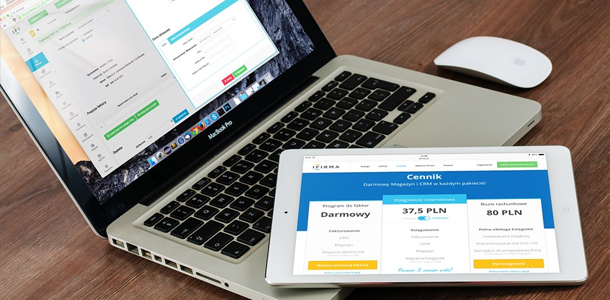
When designing and building an engaging and effective website for your business, your main goal should be to attract, engage and capture as many site visitors as possible to examine, learn about and purchase your business products and services for use toward more convenience and betterment in their own endeavors. You want to present your brand and all that you offer to customers in as direct, clear and interesting a way as possible.
Your aim is to assist your site visitors in grasping and appreciating your primary company objectives, goals and offerings without the need to spend unnecessary time attempting to understand complex product descriptions or site navigation instructions. Especially since today’s global reach of e-commerce is constantly widening and gaining speed in its active operations, all aspects of a successful business website should display site features and functions with high degrees of simplicity and precision for best levels of visitor engagement and results.
Reasons Why Website Dropdown Menus Should Be Limited
There are multiple reasons why dropdown menus on websites should be limited in number and detail, including the following:
• Unwieldy Dropdown Navigation. – A web page dropdown menu that is too lengthy, wordy or detailed in topic listings can be difficult to navigate successfully. While attempting to scroll down long, complex topic listings, site visitors often click into the wrong pages or subject areas of your site. This wastes their time and can be annoying to busy consumers who, without this annoyance, might become new customers on their first visit to your company site. Especially when your site users must travel through hover tunnels to maintain an active state in a dropdown menu, it can take numerous attempts to reach their desired destinations on your website.
• Difficult Mobile Device Usage. – Dropdown menus are difficult to read and navigate on tablets and smartphones. Especially if they are complicated or long, these menus are difficult to read on the screens of most mobile devices. If these menus are hover-activated, they are inoperative on touchscreens, and even clicking into site pages from a lengthy dropdown menu can take numerous attempts before you succeed. In general, the majority of dropdown menus now available on websites do not offer mobile-friendly navigation at a time when more people today access websites via small mobile digital devices that on desktop or laptop computers.
• Overloaded Homepage Options. – Many websites designed for mobile device usage offer myriad navigation options on the homepage via complicated dropdown menus. Studies have shown that when presented with an overload of site navigation options, potential customers can become discouraged and demotivated to take action. Just as consumers confronted with too many different brands or models of a product selection in an appliance store often become confused, unable to make a purchasing choice, website users can have great difficulty in choosing products or services for purchase on your company site when too many options are available in dropdown menus.
By limiting the number of dropdown menus on your e-commerce website and keeping their content simple and easy to read, you will gain more interested visitors who will spend greater lengths of time on your site, often purchasing your brand products or services. When you present your brand and all that it offers via a few easily read and navigated dropdown menus on your site’s homepage, you will be pleased with your increasing numbers of new business customers, greater sales conversion rates and rising levels of profitability.
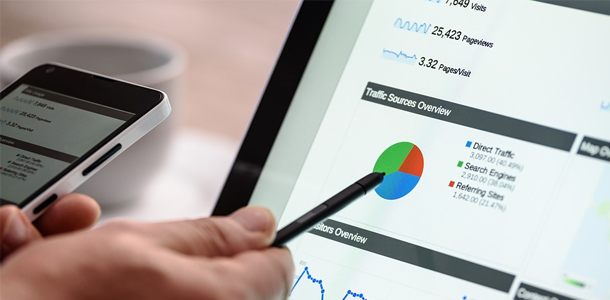
The general consensus until recently has been that a website that loads in three seconds is acceptable for supporting good rates of e-commerce sales conversions. However, in today’s fast-paced online business, many web users now start to become impatient if your company site fails to load within two seconds or less. In fact, as many as 56 percent of your website visitors may leave your site if it takes greater than three seconds to load. During peak web traffic hours, more than 75 percent of your online customers may abandon your company website for the site of one of your competitors if it has a faster loading time. Since savvy Internet users are growing accustomed to well-developed sites that load quickly and completely, it is important for building your business site’s conversion rates and profits to improve its loading speed.
Important Reasons Why Website Loading Speed Matters
Major reasons for ensuring that your business or personal interest website loads quickly and efficiently include the following:
• Effective SEO. – One the leading factors in attaining a high ranking for your website is rapid loading speed. The rate of speed at which your site loads effectively and completely will affect the use of your site’s interactive features by your web visitors and customers. If your site has a slow loading time, it can also decrease the number of searches a web user can make within a given time span, which will be detected in search engine data collection. It is advantageous to search engines if your website does load quickly. Consequently, if you have a slow-loading landing page and site, your website may have a low ranking with all major search engines.
• Quality Mobile Browsing. – Over one-half of all web traffic today involves mobile digital device users. These mobile web users are most often on their way to work, classes or the gym or otherwise engaged in daily activities away from their homes. These active, busy consumers require fast, efficient results in Internet searches and accessing websites. Immediacy is a major factor of importance to their satisfactory use of the web. If a web page fails to load within two seconds, they are likely to leave this page for a faster loading site. Many search engines are planning to make web page loading rates a primary element of required criteria for gaining good mobile search rankings for landing pages and sites.
• Greater Conversion Rates. – In contemporary e-commerce, high conversion rates are dependent on higher web traffic rates as well as greater traffic volumes. When these elements of online business site optimization work well simultaneously, your company website customer base and sales numbers will increase. Some e-commerce promoters advise that a delay of as little as one second in website loading time today can decrease your site’s conversion rates by at least seven percent. For sites with high levels of commerce, this percentage can translate to a sizable reduction in sales and profits. Even if you have a personal interest website and project, your number of new members may be reduced significantly by a slow-loading web page or site today. For the steadily increasing success of all types of websites today, consistently fast page loading rates are essential.
Website loading time is an important factor to success in today’s rapid-action world of e-commerce. In order to attract and capture new website visitors and customers or members for your business or personal interest website, it is of major value to ensure that your landing page or website has a fast loading speed. For optimal success in acquiring greater amounts of web visitors, new site members, customers or sales conversion rates to include mobile web users, you will need a rapid site loading rate of about two seconds today.
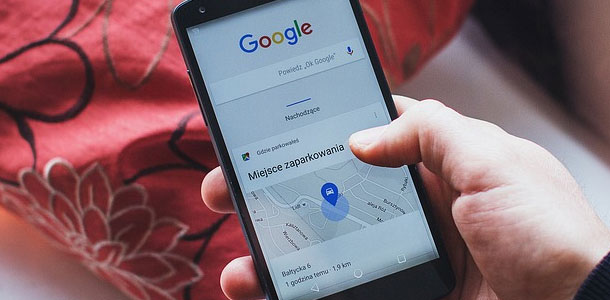
Some major changing SEO trends for 2018 will alter your business marketing game plan. Search engine optimisation has gone through myriad revisions and fine tuning since the first website was published back in 1991, evolving from minimalist practicality to the current-day focus on viewer engagement and individualized site content. The primary reason for so many rapid changes in SEO techniques has been the basic need for an effective results analysis and organising system. From its online initiation, SEO has been considered the best method of filtering and structuring websites using keywords.
Strategy-Changing SEO Trends for Website Marketing Success in 2018
Important game-changing trends to watch for throughout 2018 include the following methods and techniques:
• Voice Search. – Although voice search was immensely popular during 2017, the rapid rate of word recognition accuracy improvement during last year has made this major SEO tool extremely attractive. With a current rate of recognition accuracy greater than 90 percent and rising, this optimisation technique is predicted to rule at least 50 percent of all online searches by the year 2020. Because voice search is based on everyday conversational language, the awkward query terms of years past are now obsolete. This updated form of SEO is definitely designed to meet all preferences and needs of the contemporary user experience. For the aid of site owners who are curious about the questions that members of their targeted online audience are most likely to enter in a voice search, the comprehensive web tool, Rank Tracker, enables domain owners to enter primary keywords for their site content and receive back an extensive list of questions most likely to be asked by searches pertaining to the site owners’ industry and market niche.
• Broadly-Sourced Linkless Mentions. – Although link power has long been the leading player in the webpage optimisation game, online name-dropping carries substantial weight today as a highly effective off-page ranking technique. In current Internet marketing, the mere mention of your company brand, or “linkless mention,” is helpful as an SEO strategy for promoting your business and website. These “mentions” of your brand, products and services may be in forums, blog comments, news articles or podcasts, and they are often quite helpful in marketing your business brand. These linkless mentions have long-term good effects for site promotion, just as off-line word of mouth advertising for any brand’s projects, products or services can have long-lasting benefits toward business promotion and increased sales conversions. With use of an online monitoring aid like Awario, you can track the sites on which your brand is mentioned as well as take part in real-time forums and discussions to let more web users know about your brand and its most attractive, dynamic useful features.
• Artificial Intelligence and Machine Learning. – Artificial intelligence (AI) and machine learning have already changed the manner in which search results are ranked and popularized automated responses and effective interactive communicative animations in website design. Current predictions are that AI will be an integral and inseparable aspect of online marketing by the end of 2018, if not sooner. Advanced AI will have the capacity to gather and organise search terms as well as keywords and phrases. AI will also determine the ideal SEO usage of key language. The most effective keywords or search terms will be instantaneously generated according to real-time information. With good implementation of AI and machine learning in place on your business website, you can outclass and outdistance your chief competitors to become a leading player in your industry niche.
By identifying and following new game-changing SEO trends for 2018, you can successfully move ahead of your major competitors while spreading the word about the many attractive, unique, innovative and effective benefits offered by your business brand, its featured products and its useful services. Your brand can surge ahead of its competitors, rapidly and consistently targeting more responsive audiences for increased customers, sales conversions and profits throughout the entire year ahead and beyond.
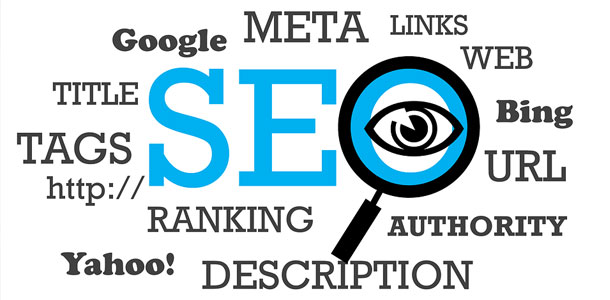
Improving and fine-tuning your website’s homepage textual content with fresh, highly relevant keywords can greatly enhance your SEO for better SERPs returns and higher Web traffic volumes from your targeted audience. Your ultimate goal should be to design and empower your site to meet the specific preferences and needs of your customers to strengthen the likelihood of them locating your website and online business. The more effective your homepage SEO becomes, the easier it will be for potential buyers to reach your site as they find your URL in high placement in their Web searches. Because your homepage is the first and most-often seen page of your website, it is especially valuable to your online company presence and success that this primary page of your site places well in all relevant searches connected with your industry, brand, products and services.
Why It Is Essential to Your Online Success to Include Relevant Keywords in Your Homepage Text Contents
It is very important to your online business website visibility and success to make use of highly relevant keywords in your homepage textual content that are directly connected to your customers’ language in Web searches for the following reasons:
• Matching Customer Keyword Searches Forms a Buyer-Seller Bond. – By learning to identify and match your ideal customers’ keyword usage in Web searches, you will automatically draw their attentions to your site and brand. Right away, you are forming the beginnings of a strong buyer-seller bond that can lead to potential buyers becoming active customers that turn into loyal, returning clients. When shoppers interested in your type of products and service offerings sense that you have a true understanding of their problems and needs, they are immediately attracted to your company site. When they realize that your brand offers appealing solutions to their issues or products that meet their particular needs, they will become your captive audience as ongoing, enthusiastic buyers of your brand.
• Using Clever Keyword Phrases Attracts Customers to Other Products of Your Brand. – By including some cleverly constructed keyword phrases on your website homepage, you can direct current customers to additional products of your company brand. A buyer who first found your site through a Web search using the keywords “deck chairs” will be encouraged to view and purchase other items when you include key phrases like “deck furniture sets,” “deck chair umbrellas,” “deck chair cushions” and “deck furniture accessories” in your homepage text contents. Even if the customer only intends to buy deck chairs on your site, these additional keyword groups will often persuade this buyer to view and purchase additional related products once he or she visits your homepage.
• Refreshing Your Homepage Content Often Results in Frequent Search Engine Crawls. – By frequently refreshing your homepage textual content as well as your visuals and interactive elements, you will encourage major search engines to visit and crawl your site more often. As you update your keywords and phrases to suit the ever-changing language and needs or desires of potential site visitors and customers, you will steadily grow your client base for greater product sales conversion rates. You will also sustain the interest of your loyal, returning customers with your fresh, new site content. When your buyers realise your ongoing interest in their specific interests and necessities as well as their search language, they will be impressed, knowing that you are attentive to their shopping habits and product preferences. This will also contribute to your growing customer base and expanding business, resulting in higher profits and online success for your company.
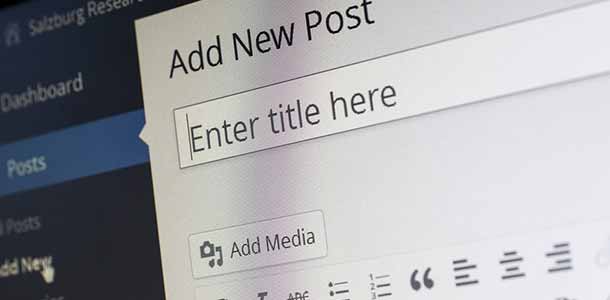
Many online business owners think and talk about adding a company blog to their websites, but stop short of doing so. Their reasons may be many and varied—blogging is too time-consuming; starting a successful blog would require hiring a professional blogger; or site visitors prefer visual presentations rather than textual content, so blogging can be a waste of precious time. However, the majority of active, profitable online companies do include blogs on their business websites.
These savvy e-commerce survivors often attribute much of their success at gaining higher site traffic volumes and greater sales conversion rates for their products and services to the fact that they included a brand-relevant, constantly updated blog on their company domains. Some of these Web-based business owners did hire professional bloggers to provide regular content for their company blogs, while others developed their own blogging talents to enhance their online visibility, credibility and business success.
Main Reasons Why Your Website Needs to Have Fresh, Relevant Blog Posts
Primary reasons for including fresh, brand-related blog posts on your website on a regular, ongoing basis include the following:
1300 638 949
enquiry@netwizardseo.com.au